The October Evolution
How AI is Shifting from Assistant to Co-Creator
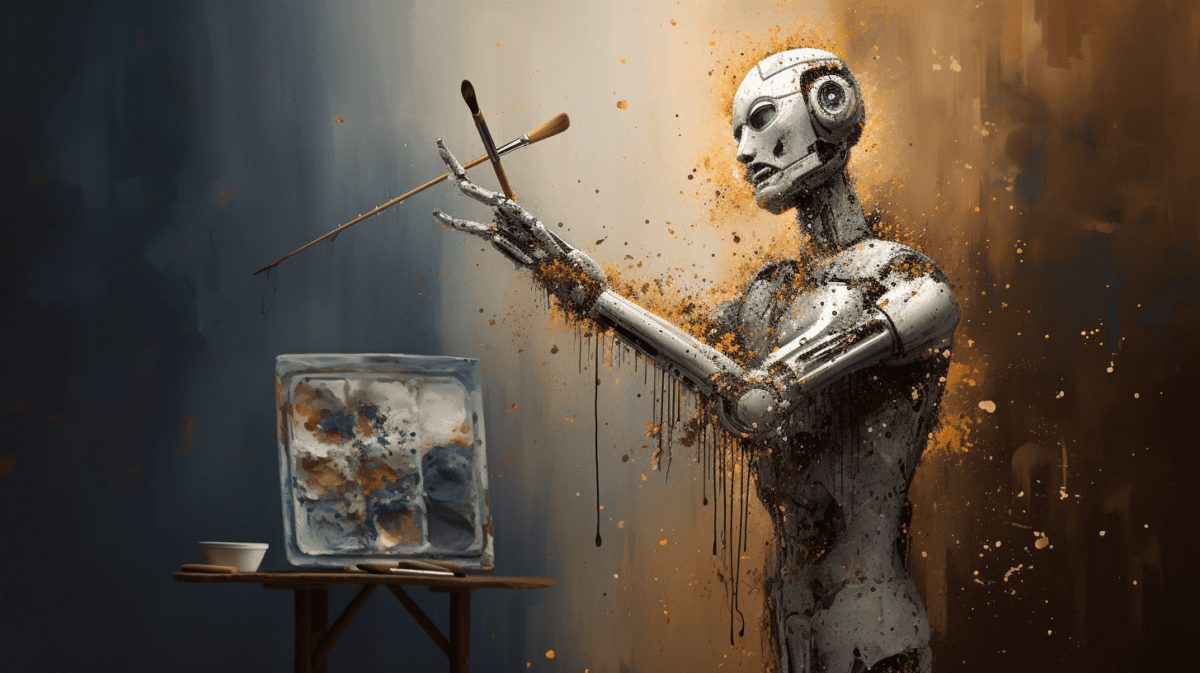
As the leaves turn and the air grows crisp, there’s a palpable shift happening not just in the seasons, but in the very fabric of our digital landscape. This October, the conversation around Artificial Intelligence is evolving. It’s moving beyond the initial shock and awe of what it can generate, and settling into a more profound, integrated reality: AI is no longer just a tool; it is becoming a collaborative partner.
Gone are the days of clunky chatbots and one-trick ponies. The current generation of AI tools is smarter, more specialized, and deeply woven into the creative and operational workflows of industries worldwide. Here’s a look at the key advancements defining this moment.
The Rise of the Specialists: Beyond the Generalist Chatbot
While powerful large language models like GPT-4 and its successors continue to amaze, the real story is the emergence of highly specialized AI “agents.” Think of it as the difference between a handy general practitioner and a team of world-class surgeons.
-
In Design: Tools like Adobe Firefly and Midjourney v6 are now deeply integrated into software suites, allowing designers to manipulate images with a text prompt, not just generate them from scratch. The ability to edit, expand, or recolor a specific element within a complex photo is now a seamless, conversational process.
-
In Development: GitHub’s Copilot X has evolved from a code-completion tool to a conversational agent that can explain complex codebases, suggest entire architectural blocks, and debug in real-time, acting as a senior developer sitting alongside you.
-
In Business Intelligence: Platforms like Microsoft Copilot and Salesforce’s Einstein GPT are being embedded directly into CRM and productivity software, automatically generating data insights, drafting emails in your tone, and summarizing lengthy meeting transcripts into actionable bullet points.
Multimodality: The “See, Hear, and Understand” Revolution
The most significant leap forward this year is the push towards true multimodality. The latest AI models are no longer limited to just text. They can simultaneously process and connect information across text, images, audio, and soon, video.
What does this mean in practice?
-
You can show an AI a photo of your pantry and ask, “What can I cook for dinner?” and it will identify ingredients and provide a recipe.
-
You can feed it a financial chart and a recent earnings report and ask for a plain-English summary of the key trends.
-
You can hum a melody and have an AI generate a full musical arrangement around it.
This ability to understand context across different media is what transforms AI from a fancy search engine into a genuine problem-solving partner.
The Democratization of High-End Creativity
Perhaps the most exciting trend is the lowering of the barrier to entry for high-quality creative work. AI-powered tools are putting capabilities that were once the domain of experts into the hands of everyone.
-
Podcasting & Video: Tools like Descript allow for video editing through text commands, while AI voice clones can seamlessly correct misspoken words.
-
Music Production: Platforms like Suno AI and Udio enable users to generate complete, high-fidelity songs from a simple text prompt, opening up music creation to non-musicians.
-
3D Design: Generating 3D models from a 2D image or a text description is now a reality, drastically speeding up workflows for game developers and architects.
The Human Imperative: Steering the Ship
With great power comes great responsibility. As these tools become more capable, the focus is rightly shifting from “what can it do?” to “how should we use it?” The critical skills of the future are becoming less about operating the tool and more about guiding it: crafting the perfect prompt, curating its outputs, applying nuanced human judgment, and, most importantly, establishing the ethical guardrails for its use.
The narrative of AI as a job-replacer is being supplanted by a more nuanced view: AI as a force multiplier. It’s handling the tedious, the time-consuming, and the technically complex, freeing up human intellect for what it does best—strategy, empathy, storytelling, and big-picture innovation.
This October, we stand at an inflection point. The tools are here, they are powerful, and they are eager to collaborate. The question is no longer if you will use AI, but how you will harness its evolving potential to build, create, and innovate in ways previously confined to our imagination.